
Understanding Dashboard Warning Lights and Their Meanings
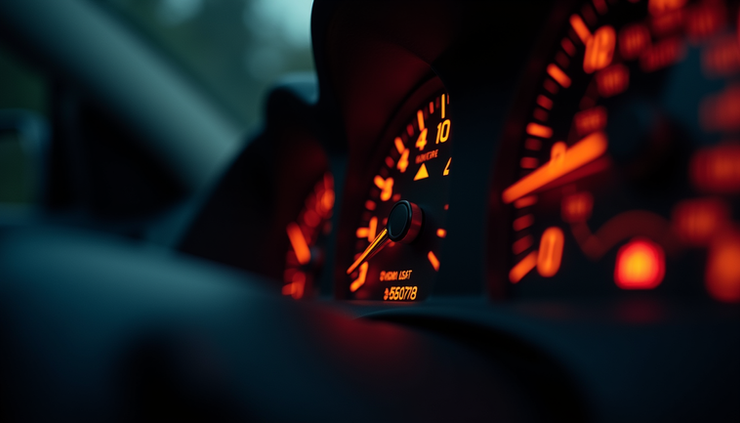
Every time you start your vehicle, a series of lights briefly illuminates on your dashboard. These dashboard warning lights are more than just symbols — they are your car’s way of communicating important information about its health and safety. Modern vehicles rely on a network of sensors that detect issues early, helping you avoid breakdowns or costly repairs. Knowing what these common warning lights mean can help you respond appropriately and keep your vehicle running smoothly.
Why Dashboard Warning Lights Matter
Dashboard warning lights serve as early alerts for potential problems. Sensors monitor everything from engine performance to tire pressure and brake function. When something is out of range, the corresponding light turns on to catch your attention. This system helps drivers address issues before they become serious, improving safety and reducing repair costs.
Ignoring these signals can lead to unsafe driving conditions or expensive damage. Understanding the dashboard warning lights meaning helps you decide when to stop immediately, schedule service soon, or simply keep an eye on the situation.
The Most Common Warning Lights and What They Mean
Check Engine Light
What it indicates: The check engine light is one of the most common warning lights. It signals a problem with your vehicle’s engine or emissions system.
Likely causes: Loose gas cap, faulty oxygen sensor, misfiring engine, or issues with the catalytic converter.
What to do: If the light is steady, schedule service soon. If it flashes, pull over safely and turn off the engine, as this indicates a serious issue that could cause damage.
Battery/Charging System Light
What it indicates: This light shows a problem with your car’s battery or charging system.
Likely causes: Failing alternator, loose battery cables, or a dying battery.
What to do: Schedule service soon. If the light comes on while driving, avoid turning off the engine until you reach a safe spot, as your car may lose power.
Brake Warning Light
What it indicates: The brake warning light means there is an issue with your braking system.
Likely causes: Low brake fluid, worn brake pads, or a problem with the brake system.
What to do: Stop driving immediately if the light stays on or flashes. Check the parking brake first. If it’s off, have your vehicle inspected right away.
Oil Pressure Light
What it indicates: This light warns of low oil pressure, which can cause severe engine damage.
Likely causes: Low oil level, oil pump failure, or oil leaks.
What to do: Pull over immediately and turn off the engine. Check the oil level and add oil if needed. If the light remains on, call for professional help.
Coolant Temperature Light
What it indicates: This light signals that your engine is overheating.
Likely causes: Low coolant level, radiator issues, or a failing thermostat.
What to do: Stop driving as soon as it is safe. Allow the engine to cool before checking coolant levels. Avoid opening the radiator cap while hot.
ABS Light
What it indicates: The Anti-lock Braking System (ABS) light shows a problem with the ABS system.
Likely causes: Faulty wheel speed sensors or ABS module issues.
What to do: You can continue driving but schedule service soon. Your regular brakes will still work, but ABS may not function in an emergency.
Tire Pressure Monitoring System (TPMS) Light
What it indicates: This light alerts you to low tire pressure in one or more tires.
Likely causes: A puncture, temperature changes, or natural air loss.
What to do: Check and inflate tires to the recommended pressure as soon as possible. Driving with low tire pressure affects fuel efficiency and safety.
Traction Control Light
What it indicates: This light comes on when the traction control system is active or has a fault.
Likely causes: Slippery road conditions or sensor issues.
What to do: If the light flashes, it means traction control is helping you maintain grip. If it stays on, have the system checked soon.

Why You Should Never Ignore Warning Lights
Ignoring dashboard warning lights can lead to safety risks such as brake failure, engine damage, or loss of control. Small issues can quickly become costly repairs if left unaddressed. For example, driving with low oil pressure can cause engine seizure, while ignoring the brake warning light could result in brake failure.
Paying attention to these signals helps you avoid emergencies and keeps your vehicle reliable.