
How to Establish a Reliable Vehicle Maintenance Schedule for Longevity and Safety
Keeping your vehicle in top shape is essential for safety, reliability, and saving money over time. But how often to service your vehicle can vary widely depending on the type of vehicle you drive, your driving habits, and the environment you live in. Understanding a clear, practical vehicle maintenance schedule helps you avoid unexpected breakdowns and costly repairs.
This guide breaks down the recommended maintenance schedule into easy-to-follow intervals, explains why regular service matters, and highlights key checks and services for different vehicle types. Whether you drive an SUV, a truck, a hybrid, or an electric vehicle, you’ll find useful advice to keep your car running smoothly.

Why Regular Vehicle Maintenance Matters
Regular maintenance keeps your vehicle safe and reliable. It helps prevent breakdowns by catching small issues before they become big problems. For example, changing your oil regularly keeps your engine lubricated and running efficiently. Checking brakes ensures you can stop safely. Rotating tires helps them wear evenly, improving handling and extending their life.
Following a recommended maintenance schedule also protects your vehicle’s value. Well-maintained cars hold their resale value better and often qualify for warranty coverage. Plus, regular service can improve fuel efficiency and performance, saving you money at the pump.
Ignoring maintenance can lead to costly repairs, reduced safety, and inconvenient breakdowns. Knowing when to service my car and sticking to a schedule is the best way to avoid these issues.
How Service Intervals Vary by Vehicle Type
Different vehicles have different needs. Here’s a quick overview of how car service intervals vary:
Passenger vehicles: Most sedans and compact cars follow a standard schedule, often every 5,000 to 8,000 km for oil changes and basic checks.
SUVs and trucks: These heavier vehicles may require more frequent brake inspections and suspension checks due to their weight and usage.
Vans: Often used for commercial purposes, vans might need more frequent servicing depending on load and mileage.
Hybrids: These vehicles combine gasoline engines with electric motors, so they require regular oil changes but less frequent brake service due to regenerative braking.
Electric vehicles (EVs): EVs have fewer moving parts, so oil changes are not needed. However, battery health, tire rotations, and brake inspections remain important.
Your vehicle’s owner manual will provide specific guidance, but understanding these general differences helps you plan your maintenance better.
Factors That Influence How Often to Service Your Vehicle
Several factors affect how often you should service your vehicle:
Driving habits: Frequent short trips, stop-and-go traffic, or towing heavy loads increase wear and may require more frequent service.
Climate: Extreme cold or hot weather, salty winter roads, and dusty conditions can accelerate wear on brakes, tires, and fluids.
Mileage: Higher mileage means more wear and tear, so older vehicles often need more attention.
Age: Even if you don’t drive much, age affects rubber parts, fluids, and battery health.
Manufacturer recommendations: Always follow the guidelines in your vehicle’s manual for the best results.
A Clear Vehicle Maintenance Schedule
Here’s a structured schedule broken down by kilometres driven and time, with key services explained.
Every 5,000 to 8,000 km
Oil and oil filter change
Keeps engine lubricated and prevents damage. Essential for all vehicles except some EVs.
Tire rotation
Promotes even tire wear, improving safety and extending tire life.
Brake inspection
Checks pads, discs, and fluid levels to ensure safe stopping.
Fluid levels check
Includes coolant, brake fluid, windshield washer fluid, and power steering fluid.
Visual inspection
Look for leaks, worn belts, and damaged hoses.
Every 20,000 to 30,000 km
Air filter replacement
Ensures clean air for combustion, improving fuel efficiency.
Cabin air filter replacement
Keeps the air inside your vehicle fresh and free of dust and allergens.
Brake fluid flush
Removes moisture and contaminants to maintain braking performance.
Battery health check
Tests battery charge and condition, especially important in cold Canadian winters.
Suspension and steering check
Ensures smooth handling and identifies worn parts.
Every 50,000 to 60,000 km
Spark plug replacement (for gasoline engines)
Maintains engine performance and fuel efficiency.
Transmission fluid change
Keeps transmission running smoothly and prevents costly repairs.
Coolant flush
Prevents overheating and corrosion inside the engine.
Inspect drive belts and hoses
Replace if cracked or worn to avoid breakdowns.
Annual or Seasonal Checks
Winter preparation
Check tire tread and consider winter tires, test battery, inspect heating system.
Summer preparation
Inspect air conditioning, coolant system, and tire pressure.
Comprehensive safety inspection
Includes lights, wipers, brakes, and exhaust system.
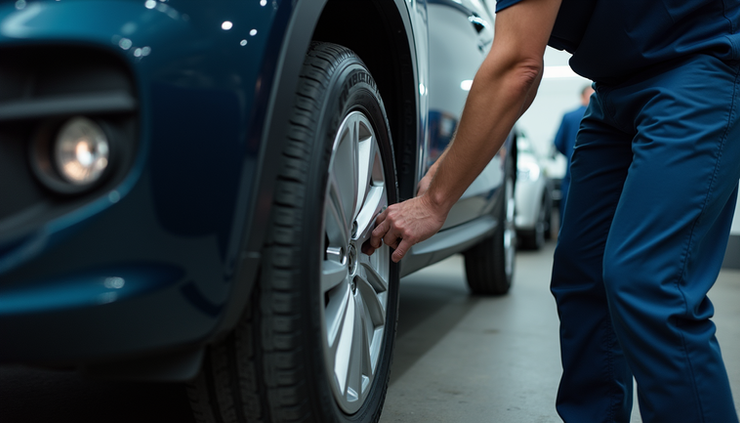
Warning Signs Your Vehicle Needs Service Sooner
Sometimes your vehicle will tell you it needs attention before the next scheduled service. Watch for:
Strange noises like grinding brakes or engine knocking
Warning lights on the dashboard
Reduced fuel efficiency
Pulling to one side while driving
Vibrations or shaking
Difficulty starting or weak battery
Fluid leaks under the vehicle
If you notice any of these, don’t wait. Early service can prevent bigger problems.
Why Following a Maintenance Schedule Saves You Money and Keeps You Safe
Sticking to a vehicle maintenance schedule improves safety by ensuring brakes, tires, and steering components work properly. It boosts reliability so you avoid breakdowns and unexpected repairs. Regular service keeps your vehicle performing well, which means better fuel economy and a smoother ride.
Over time, preventive maintenance costs much less than emergency repairs. For example, replacing a worn timing belt on schedule costs far less than fixing an engine damaged by a broken belt. Following the schedule also helps maintain your vehicle’s resale value.
